Unlocking Optimal Shoulder Function: A Comprehensive Guide to Restoring External Rotation in the Shoulder
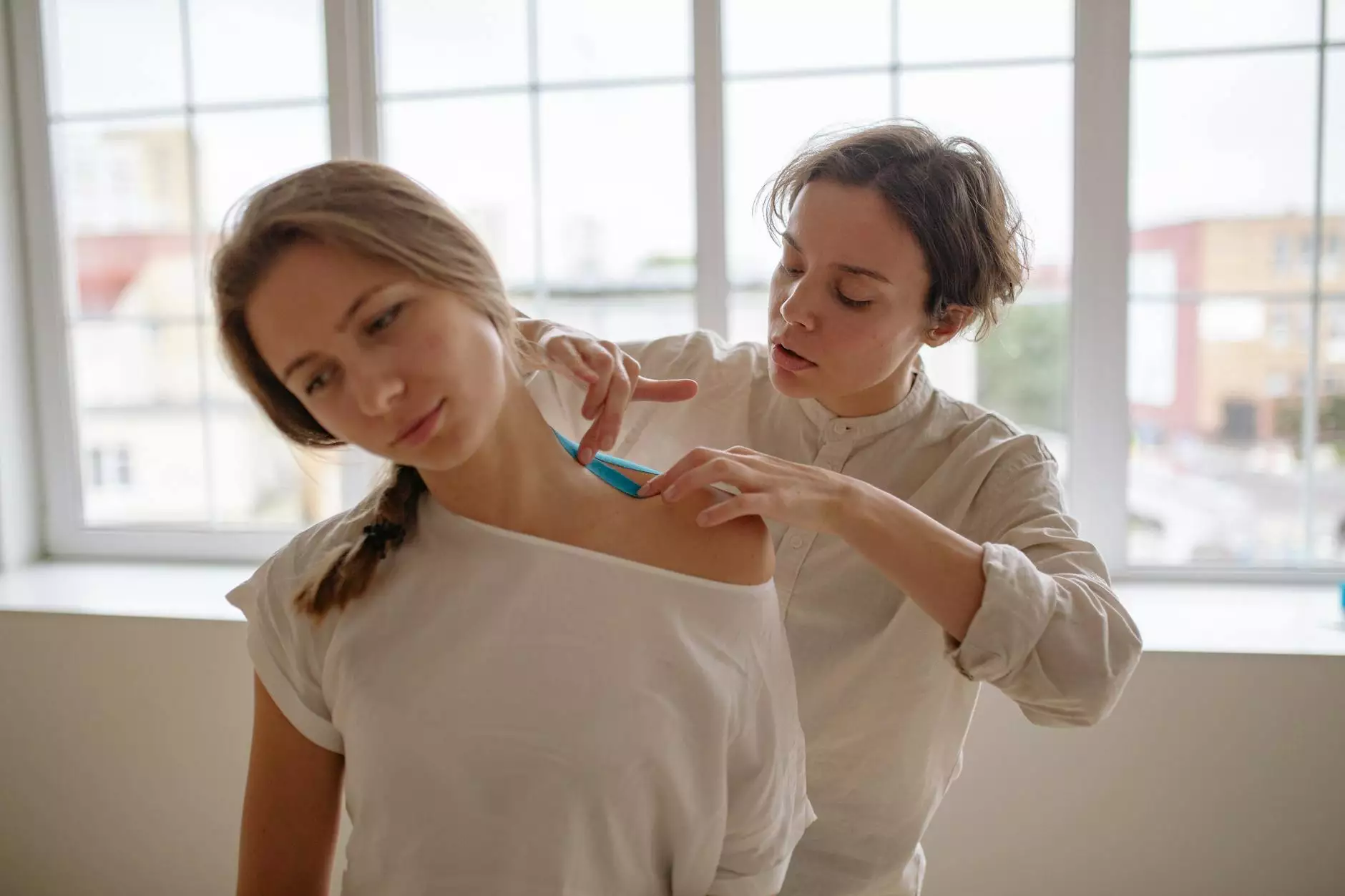
The human shoulder is a marvel of biomechanics, offering an unparalleled range of motion that enables us to perform daily activities, athletic pursuits, and complex manual tasks. However, this remarkable mobility comes with a susceptibility to injuries and dysfunctions, particularly in the shoulder's external rotation. Restoring this vital movement not only enhances athletic performance but also improves overall quality of life for countless individuals. In this extensive article, we explore the intricacies of shoulder external rotation, the common causes of its impairment, and cutting-edge approaches to effectively restore this essential motion.
Understanding the Anatomy and Function of External Rotation in the Shoulder
Before delving into restoration techniques, it is essential to grasp the fundamental anatomy that facilitates external rotation. The primary muscles involved include the infraspinatus, teres minor, and the posterior deltoid. These muscles work synergistically to rotate the arm outward, away from the body's midline.
- Glenohumeral Joint: The ball-and-socket joint that provides the shoulder with its extensive mobility.
- Rotator Cuff Muscles: A group of four muscles including the infraspinatus and teres minor that stabilize and facilitate shoulder movements.
- Capsular Ligaments and Labrum: Structures that support joint stability and enable smooth motion.
Proper external rotation depends on not only muscular strength but also joint integrity, flexibility, and neuromuscular coordination. When any of these elements are compromised, the result can be restricted movement, pain, or instability.
Common Causes of External Rotation Impairment in the Shoulder
Understanding why external rotation becomes limited is crucial for effective intervention. Some of the most common causes include:
- Rotator Cuff Tears: Damage to muscles such as the infraspinatus or teres minor inhibits external rotation.
- Rotator Cuff Tendinopathy: Tendon inflammation or degeneration reduces muscle efficiency.
- Adhesive Capsulitis (Frozen Shoulder): A condition characterized by capsular thickening, leading to stiffness and restricted movement.
- Joint Instability or Dislocation: Past injuries can destabilize the glenohumeral joint, impairing rotation.
- Postural Imbalances and Muscle Tightness: Overly tight posterior shoulder structures or faulty biomechanics can limit external rotation.
- Repetitive Strain and Overuse: Activities involving repetitive overhead motions often lead to limited mobility over time.
Innovative Approaches to Restoring External Rotation in the Shoulder
Restoring external rotation requires a multifaceted approach that includes targeted manual therapy, rehabilitative exercises, and patient-specific strategies. An integrated treatment plan, often developed by specialists such as chiropractors and physical therapists familiar with advanced shoulder protocols, can yield optimal outcomes.
Manual Therapy Techniques for Restoring Range of Motion
Manual therapy plays a pivotal role in breaking down adhesions, improving joint nutrition, and restoring mobility. Techniques include:
- Myofascial Release: Gentle pressure to relax tight fascia around the shoulder girdle.
- Joint Mobilizations: Oscillatory and sustained movements to increase glenohumeral joint play.
- Muscle Energy Techniques (MET): Active patient contractions to improve mobility and muscle balance.
Targeted Stretching and Strengthening Exercises
Rehabilitation protocols focus on reestablishing proper muscle activation and flexibility. Recommended exercises include:
- Posterior Capsule Stretch: Enhances external rotation by improving posterior capsular flexibility.
- External Rotation with Resistance Bands: Builds strength in the infraspinatus and teres minor.
- Scapular Stabilization Drills: Supporting shoulder alignment for optimal movement patterns.
- Syncing Flexibility and Strength: Combining stretching with strengthening enhances functional restoration.
Utilizing Cutting-Edge Technologies in Shoulder Rehabilitation
Technologies such as ultrasound therapy, laser treatment, and neuromuscular electrical stimulation (NMES) can accelerate recovery by reducing inflammation, improving tissue healing, and promoting neuromuscular re-education.
Specialized Training and Education for Healthcare Professionals
Professionals dedicated to optimizing shoulder health should pursue continual education in the latest evidence-based methods. The International Academy of Orthopedic Massage (IAOM-US) offers in-depth training modules that cover advanced manual techniques, biomechanics, and functional restoration, specifically tailored for chiropractors, physical therapists, and allied health practitioners.
Incorporating comprehensive knowledge regarding shoulder anatomy, pathology, and rehabilitative interventions allows clinicians to provide personalized, effective treatment plans for patients struggling with external rotation deficits.
The Role of Chiropractors in Restoring Shoulder External Rotation
Chiropractors possess a unique skill set that emphasizes manual correction, joint mobilization, soft tissue therapy, and rehabilitative guidance. Their approach to restoring external rotation includes:
- Precise Joint Manipulations: Restoring joint biomechanics crucial for full motion.
- Soft Tissue Mobilization: Releasing tight musculature and fascia contributing to stiffness.
- Patient Education: Teaching self-care techniques, stretching, and strengthening exercises.
- Integrative Care: Collaborating with physical therapists for comprehensive rehabilitation.
Dedicated Resources for Achieving Restorative Outcomes
For practitioners and patients seeking to understand and implement advanced strategies, resources such as restoring external rotation in the shoulder provide valuable insights, protocols, and case studies that highlight successful interventions and innovation in care. This knowledge base helps refine techniques and ensures evidence-based practice.
The Importance of Prevention and Maintenance
While rehabilitation is critical, prevention through posture correction, ergonomic adjustments, and regular mobility exercises is equally important. Maintaining shoulder health minimizes the risk of future impairment and ensures long-term functionality.
Proactive habits include:
- Stretching shoulder muscles daily to retain flexibility.
- Strengthening rotator cuff muscles to support joint stability.
- Practicing correct movement patterns during sports or manual labor.
- Addressing postural issues promptly with professional guidance.
Conclusion: Achieving Functional Excellence in Shoulder Mobility
Restoring external rotation in the shoulder is a complex yet highly achievable goal through a holistic, evidence-based approach. The integration of manual therapy, targeted exercises, technological support, and expert education creates a robust pathway toward optimal recovery. Whether you are a healthcare professional seeking to elevate your practice or an individual striving to regain shoulder mobility, understanding these advanced strategies can dramatically enhance outcomes.
Empowering patients and clinicians alike, ongoing research and innovative techniques provided by institutions like IAOM-US ensure that shoulder rehabilitation continues to evolve, offering hope and tangible results for all affected by external rotation limitations.
Take Action Today
If you are experiencing challenges with shoulder external rotation, consult with qualified health professionals trained in advanced shoulder protocols. Experience personalized, effective care designed to restore your mobility, reduce pain, and improve your quality of life.
Explore restoring external rotation in the shoulder for detailed methodologies, case studies, and continuing education opportunities that can guide your journey toward optimal shoulder health.
https://iaom-us.com/restoring-external-rotation-in-the-shoulder/