Comprehensive Guide to Blood Clots in the Vein: Causes, Symptoms, Diagnosis, and Advanced Vascular Treatment
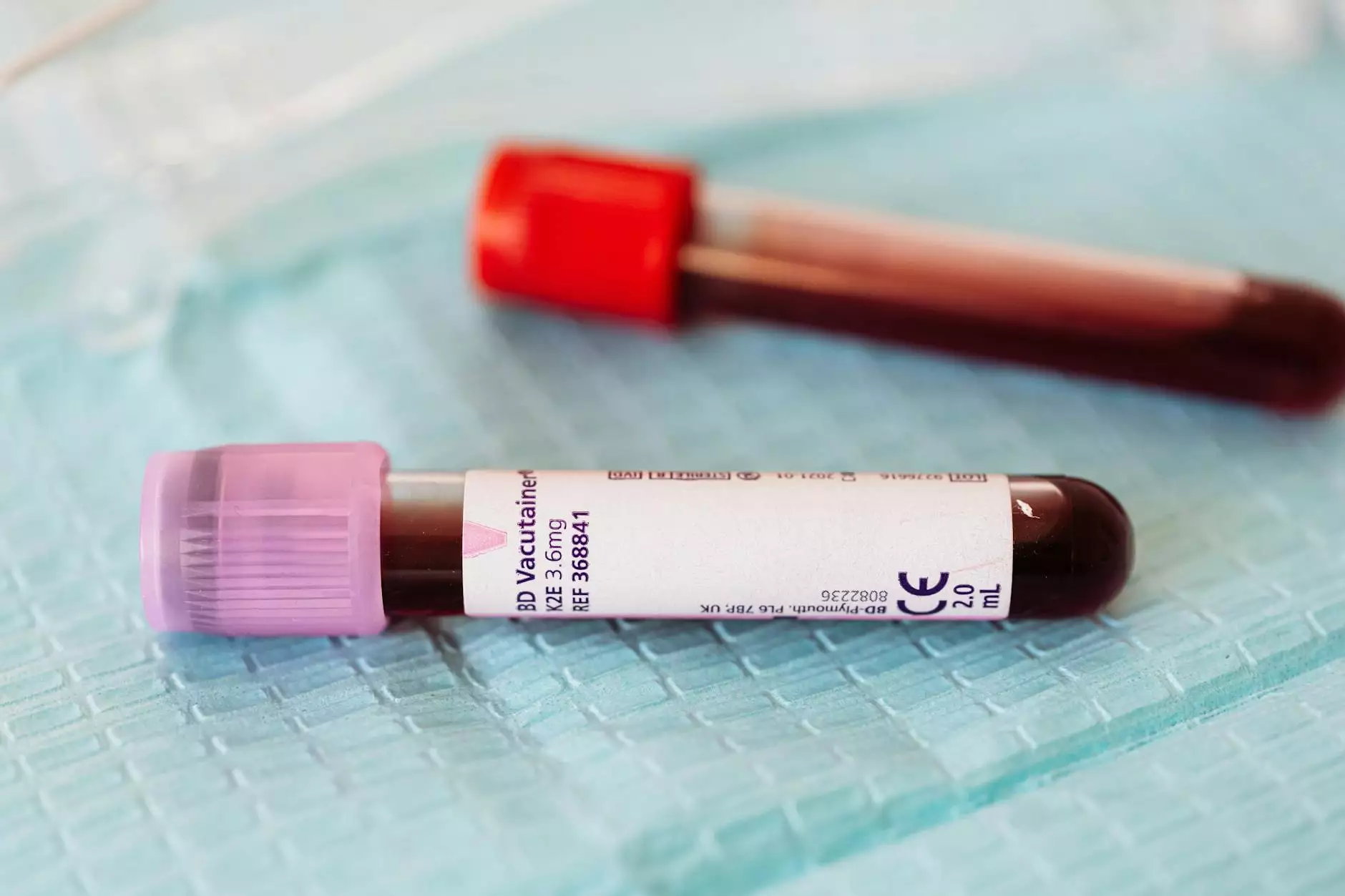
Vascular health plays a crucial role in overall well-being, enabling efficient blood flow throughout the body. Among the various vascular conditions, blood clot in the vein stands out as a potentially serious medical issue that requires timely diagnosis and specialized treatment. Understanding the nature of vein clots, their causes, risk factors, and innovative management options can significantly improve outcomes and reduce the risk of complications such as deep vein thrombosis (DVT) or pulmonary embolism.
Understanding Blood Clots in the Vein: What You Need to Know
A blood clot in the vein — medically termed venous thrombosis — is a condition where a blood clot develops within the venous system. These clots can obstruct blood flow, cause swelling, discomfort, and, if left untreated, lead to severe health consequences. Collaboration with experienced vascular medicine specialists is vital to accurate diagnosis and effective management.
Causes and Risk Factors Contributing to Venous Blood Clots
The formation of a blood clot in the vein results from a complex interplay of factors, often summarized by the classic Virchow's triad:
- Venous Stasis: Slowed or obstructed blood flow due to prolonged immobility, bed rest, or sedentary lifestyle.
- Hypercoagulability: Increased tendency for blood to clot, caused by genetic factors, certain medications, or systemic conditions.
- Vessel Wall Injury: Damage to the vein lining from trauma, surgery, or inflammation, which predisposes to clot formation.
Additional contributory factors include obesity, pregnancy, hormonal therapies (like birth control pills), smoking, cancer, and inherited clotting disorders. Recognizing these risk factors is essential for early intervention and prevention strategies.
Symptoms of Blood Clots in the Vein
Symptoms vary depending on the size and location of the clot, but common indicators include:
- Swelling: Typically in the affected limb, often accompanied by a sense of heaviness.
- Pain or tenderness: Discomfort that may feel like cramping or soreness.
- Redness and warmth: Skin over the affected area may appear inflamed or warmer to touch.
- Discoloration: Skin may turn bluish or pallid in severe cases.
- Visible veins: Veins may become more prominent or engorged.
It's crucial to seek medical attention promptly if these symptoms occur, as untreated blood clots can migrate and cause life-threatening complications such as pulmonary embolism.
Diagnosis of Blood Clots in the Vein by Vascular Medicine Specialists
Accurate diagnosis is the cornerstone of effective treatment. Leading vascular doctors utilize a range of diagnostic tools, including:
- Duplex ultrasound: The most common and non-invasive imaging modality to visualize blood flow and detect clots.
- D-dimer testing: Blood test measuring a substance released during clot breakdown, useful in ruling out thrombosis.
- Venography: An invasive imaging technique involving contrast dye to map venous flow, reserved for complex cases.
- Magnetic Resonance Venography (MRV): High-resolution imaging to examine deep or pelvic veins.
Early and precise diagnosis allows for tailored treatment plans aimed at preventing disease progression and potential embolic events.
Modern and Effective Treatment Options for Blood Clots in the Vein
Advances in vascular medicine have revolutionized treatment strategies for blood clot in the vein, emphasizing minimally invasive procedures, anticoagulation therapy, and preventative care.
Anticoagulation Therapy
The cornerstone of managing venous thrombosis involves blood-thinning medications such as heparin and warfarin, or newer direct oral anticoagulants (DOACs) like rivaroxaban and apixaban. These drugs prevent clot growth and reduce the risk of new clot formation. Close monitoring ensures safety and effectiveness.
Depth of Treatment: Thrombolysis and Mechanical Clot Removal
In cases of extensive or life-threatening clots, vascular specialists may employ advanced techniques such as:
- Catheter-directed thrombolysis: Delivery of clot-dissolving medication directly into the clot via a catheter, promoting rapid clot breakdown.
- Percutaneous mechanical thrombectomy: Using specialized devices to physically remove the clot, restoring blood flow efficiently.
- Venous stenting: Placement of stents to open narrowed or damaged veins, preventing recurrent clot formation.
These procedures are performed in specialized vascular centers with high standards for safety and success rates.
Preventive Strategies and Lifestyle Modifications
Prevention remains a key aspect of vascular health, especially for individuals at high risk. Recommendations include:
- Regular physical activity: Promotes healthy blood flow and reduces venous stasis.
- Weight management: Achieving and maintaining a healthy weight diminishes strain on veins.
- Avoiding prolonged immobility: Frequent movement during long flights or hospital stays.
- Medication adherence: Following prescribed anticoagulant regimens and periodic evaluations.
- Compression therapy: Use of compression stockings to enhance venous return and reduce swelling.
The Role of Vascular Specialists and the Importance of Expert Care
Vein health requires expert intervention from licensed vascular medicine professionals. Leading teams of doctors at clinics like trufflesveinspecialists.com provide comprehensive care, from initial diagnosis to complex interventions. Their expertise ensures personalized treatment plans, incorporating the latest techniques and technologies in vascular care.
Outlook and Long-term Management of Blood Clots in Veins
With prompt diagnosis and appropriate treatment, most patients recover fully from vein blood clots. Nonetheless, vigilance is essential to prevent recurrence or chronic venous insufficiency. Long-term management involves regular follow-up, lifestyle adjustments, and sometimes ongoing medication, tailored to each patient's unique situation.
Innovative Developments and Future Technologies in Vascular Medicine
The field of vascular medicine continues to evolve with innovations such as:
- Next-generation imaging: Enhancing detection accuracy.
- Bioengineered stents and clot-dissolving agents: Improving treatment safety and efficacy.
- Genetic and personalized medicine: Identifying individual risk factors for better prevention.
- Robotics and AI-based diagnostics: Offering precision and swift decision-making.
Such technological progress promises to further improve outcomes and quality of life for patients with vascular conditions.
Consulting the Right Vascular Medicine Specialist for Your Needs
If you suspect you have a blood clot in the vein or are at elevated risk, seeking expert vascular consultation is vital. Trusted clinics such as trufflesveinspecialists.com boast a team of experienced vascular doctors dedicated to delivering personalized, state-of-the-art care, ensuring rapid diagnosis and effective treatment for optimal vascular health.
Conclusion: Prioritizing Vascular Health and Preventing Blood Clots
Blood clots in the vein pose significant health risks but are manageable through early detection and advanced therapeutic intervention. Clarity about risk factors, recognition of symptoms, and timely access to expert vascular care can dramatically improve prognosis. Embrace a healthy lifestyle, stay informed, and partner with specialized healthcare providers to safeguard your vascular health now and into the future.