Exploring the Power and Impact of in Contemporary Art Galleries
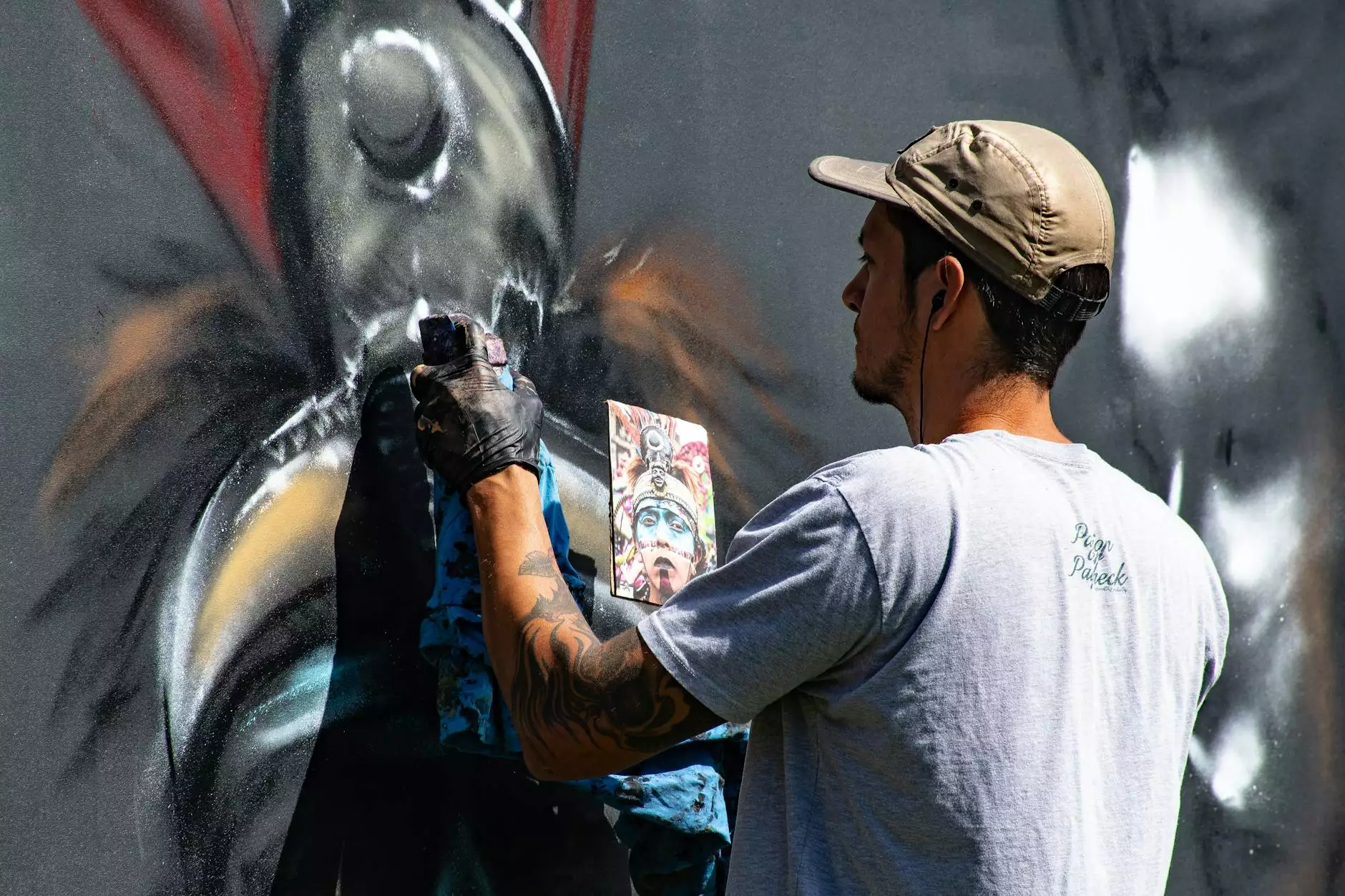
The realm of arts & entertainment has continually evolved, embracing new forms of expression that challenge traditional boundaries and foster deeper community engagement. Among these groundbreaking movements, stands out as a compelling intersection of artistic innovation, cultural dialogue, and spatial consciousness. As an integral feature in leading art galleries worldwide, redefines the spatial relationship between artwork and environment, crafting immersive experiences that resonate deeply with viewers and communities alike.
Understanding : A Deep Dive into Its Unique Nature
refers to artwork created with a deliberate intent to exist in a particular location, harmonizing with or challenging the physical and social context of its environment. Unlike traditional art forms confined within gallery walls or museums, is inherently tied to its site—be it a public park, urban alleyway, abandoned building, or architectural landmark. This intrinsic connection results in pieces that are intertwined with their surroundings, offering viewers an unparalleled experience rooted in place, history, and community identity.
This type of art often encompasses diverse media, including sculpture, installation, mural art, digital projections, and performance art, all designed to interact dynamically with their environment. The essence of is its capacity to transcend mere aesthetic appeal, instead functioning as a catalyst for social dialogue, urban revitalization, and cultural preservation.
The Significance of in Contemporary Art Galleries
While traditionally associated with outdoor public spaces, many modern art galleries now feature curated projects, blurring the lines between gallery spaces and the broader urban landscape. This strategic integration serves multiple purposes:
- Engagement and Accessibility: By situating art in public spaces, galleries broaden their reach beyond conventional audiences, inviting community members, passersby, and tourists to experience art in everyday environments.
- Enhanced Cultural Dialogue: Site-specific works foster conversations about local history, social issues, and cultural identity, enriching community understanding and pride.
- Urban Revitalization: Well-designed can transform neglected or marginalized spaces into vibrant cultural landmarks, stimulating economic activity and community participation.
- Innovation and Creativity: These projects challenge artists to think critically about context, materiality, and audience interaction, resulting in inventive works that push the boundaries of artistic practice.
The Artistic Process Behind : From Concept to Creation
The creation of is a multi-layered process that necessitates collaboration, research, and a profound understanding of context. An artist must undertake comprehensive site analysis, considering historical significance, architectural features, community dynamics, and environmental factors. This groundwork informs the creative process, ensuring that the final piece resonates authentically with its surroundings.
The development phase involves dialogues with local stakeholders, city planners, and community groups, fostering a participatory approach that enhances relevance and acceptance. Artists often experiment with various media, prototypes, and installation techniques to optimize site integration and durability.
Installation of requires meticulous planning to minimize disruption and ensure safety, especially in densely populated or sensitive environments. Maintenance and stewardship plans are also crucial to preserve the artwork's integrity over time, reflecting the ongoing relationship between art, environment, and community.
Examples of Impactful Projects in Leading Art Galleries
Several prominent art galleries and institutions worldwide have championed , curating exhibitions and outdoor installations celebrated for their societal and aesthetic contributions. Here are some noteworthy examples:
1. The High Line, New York City
This elevated park transformed an abandoned railway corridor into a thriving urban space showcasing . Artists like Ai Weiwei and Spencer Finch have contributed works that interact with the park’s unique landscape, blending art with urban ecology and history.
2. Tate Modern’s Turbine Hall Installations, London
Renowned for immersive interventions, the Turbine Hall has hosted groundbreaking works that challenge perceptions and social dialogue, such as Olafur Eliasson’s large-scale installations that respond to space and visitor interaction.
3. Museum of Contemporary Art Chicago
Embracing community involvement, this gallery curates outdoor projects that reflect local culture, fostering a sense of ownership and pride among residents through .
4. Barranquilla’s La Arenosa, Colombia
Global street artists have collaborated with local communities to develop vibrant murals and installations that serve as cultural symbols, revitalizing neighborhoods with that celebrates local stories and history.
The Future of : Trends and Opportunities
As urban landscapes continue to evolve, remains a vital tool for social engagement, environmental awareness, and cultural preservation. Emerging trends include:
- Digital and Interactive Art: Leveraging augmented reality (AR), virtual reality (VR), and responsive installations to deepen user interaction and storytelling.
- Eco-Art and Sustainability: Incorporating environmentally sustainable materials and designs that promote ecological awareness and resilience.
- Community-Led Projects: Empowering local residents to co-create artworks that reflect their identities and aspirations.
- Global Collaboration: Connecting different communities worldwide through shared projects that foster intercultural dialogue and understanding.
The integration of technology, sustainability, and community participation promises to enhance the relevance and impact of , ensuring it remains a powerful force in shaping public spaces and societal narratives.
How Can Embrace and Promote
Art galleries have a pivotal role in championing , acting as curators, facilitators, and advocates. Effective strategies include:
- Partnering with Community Organizations: Engaging local residents and stakeholders early in project planning ensures relevance and support.
- Securing Funding and Sponsorships: Leveraging public grants, corporate sponsorships, and philanthropic support for sustainable development.
- Designing Inclusive Programs: Offering workshops, artist talks, and educational initiatives that foster public understanding and appreciation.
- Promoting Interdisciplinary Collaboration: Encouraging dialogue between artists, architects, urban planners, and residents to create holistic projects.
The Role of in Promoting Artistic Excellence
grimanesaamoros.com exemplifies a commitment to spotlightting innovative within the broader context of arts & entertainment and art galleries. The platform showcases diverse projects, artist profiles, and curated collections that emphasize the importance of spatially engaged art. By providing insights, resources, and inspiration, fosters a global community dedicated to advancing the dialogue around and its transformative potential.
Whether through online exhibitions, expert interviews, or highlighting successful community-led projects, this platform elevates the conversation, encourages best practices, and supports the proliferation of as a vital cultural artifact.
Conclusion: Embracing the Future of Art in Spaces
is more than an artistic technique; it is a powerful means to connect people with their environment, history, and each other. In the landscape of contemporary arts & entertainment, it challenges audiences to see space as a canvas for expression, dialogue, and community transformation. As galleries and artists continue to innovate within this domain, the future holds exciting opportunities for creating memorable, meaningful, and sustainable public artworks that leave a lasting impact.
Embracing within the framework of arts & entertainment not only enhances cultural vibrancy but also nurtures community resilience and social cohesion in an increasingly interconnected world.
site-specific public art